Urban Pipe Support Design: Mitigating Risks for Australian Council Engineers.
Navigating Regulatory and Heritage Constraints in Pipe Support Design
Council engineers working on urban infrastructure projects face significant challenges, primarily the risks associated with compliance and preservation of heritage sites. These projects demand pipe support designs that not only meet stringent standards but also respect historical assets. Engineers must constantly update themselves on local approvals and code provisions, balancing public expectations with the need for safe and durable infrastructure. These decisions directly affect councils’ capability to deliver reliable projects that maintain compliance and public trust.
Meeting Compliance with AUS-SPEC and WSAA Codes in Urban Water Projects
Specifying pipe supports for urban projects requires engineers to align with standards such as AUS-SPEC and WSAA codes. Ensuring AUS-SPEC compliance involves regular quality assurance audits, which confirm that pipe supports meet the necessary standards for consistency and reliability. Resources like the Port Macquarie Hastings Council – AUS-SPEC are frequently consulted to navigate these complexities.
WSAA code updates present new parameters for material specifications, enhancing risk mitigation by considering evolving environmental and operational conditions. Keeping abreast of these updates accelerates project approvals and aligns with specified requirements, positively impacting timelines and costs. Meticulous documentation is crucial in preventing design conflicts, reducing the potential for rework and unforeseen expenses in urban water projects. Such attention to compliance documentation reinforces infrastructure integrity and ensures cost-effective urban upgrades.
The Importance of Pipe Support Spacing in Urban Projects
Pipe support spacing is critical in urban projects for system integrity and standard adherence. The AS/NZS 3500.1 specifies a maximum allowable distance of 3 metres between supports for water pipes, a key guideline in system design. Adhering to this standard prevents undue stress and potential failures, especially in heritage areas or sensitive service zones.
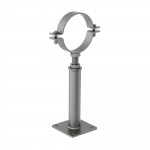
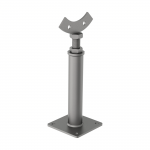
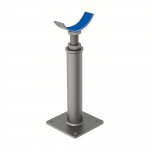
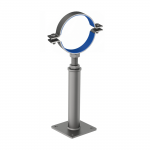
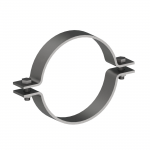
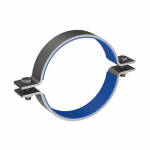
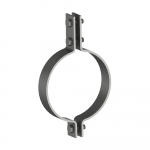
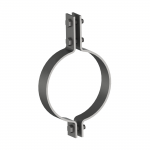
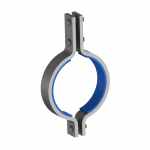
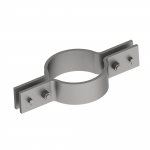
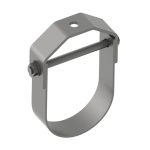
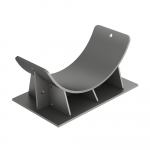
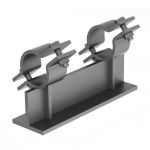
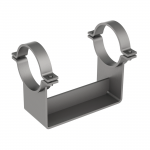
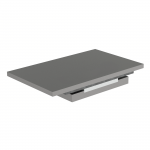
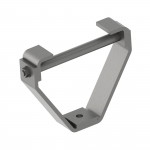
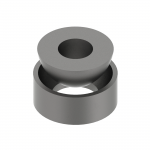
Disregarding pipe support spacing details can create stress points, leading to structural issues that disrupt communities and complicate maintenance. Detailed spacing plans and Anchorage’s Height-Adjustable Supports equip engineers to comply with local regulations while navigating the constraints of densely populated urban environments.
Solutions for Compliance in Heritage and Service Clash Zones
Heritage areas and crowded urban zones pose unique challenges for pipe support systems. Performance-based design offers greater flexibility than standard supports, allowing compliance through validated designs submitted to authorities such as Energy Safe Victoria – Performance-based design. This approach facilitates innovation under AS/NZS 5601.1, ensuring safety in gas-line networks.
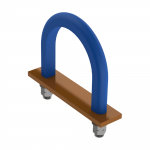
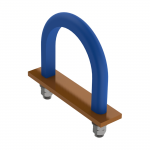
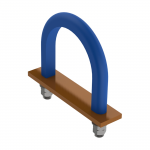
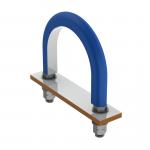
In such environments, Anchorage’s Height-Adjustable Pipe Supports offer adaptability to uneven surfaces and precise alignment without major structural changes. This helps maintain heritage site integrity while addressing modern infrastructure needs. Prioritising seamless integration solutions reduces impact and preserves the balance between historical preservation and urban development.
Delivering Successful Urban Projects Through Strategic Design
Successful urban infrastructure projects rely on strategic design approaches that account for heritage considerations and compliance standards. Early coordination with asset owners simplifies approvals and manages regulatory hurdles effectively. Following code-based guidelines for pipe support spacing is crucial for structural integrity and extending the lifecycle of infrastructure. Anchorage provides comprehensive support through documentation, QA, and an extensive BIM library, ensuring projects are optimally executed, compliant, and stable over time. These resources empower council engineers to showcase their engineering expertise while contributing to sustainable urban development.
We manufacture all products in strict accordance with AS4041:2006 standards to ensure precision, reliability, and compliance with project requirements.

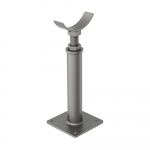
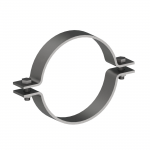
 AG630
AG630