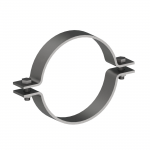
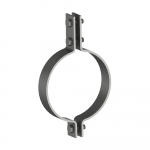
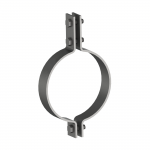
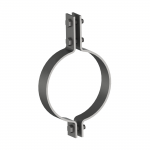
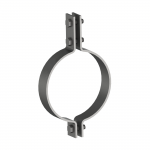
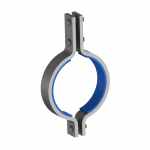
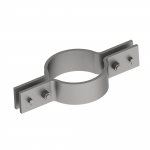
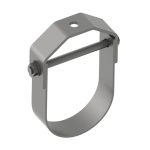
Detailed Engineering Explanation
Galvanic corrosion occurs when two dissimilar metals are in electrical contact in the presence of an electrolyte, such as moisture. One metal becomes anodic and corrodes at an accelerated rate.
In pipe support systems, this commonly occurs when:
- Stainless steel pipe is supported by galvanised carbon steel
- Coated pipes experience coating damage at contact points
- Moisture accumulates beneath supports
Prevention methods include:
Material Compatibility
Selecting similar metals or compatible combinations reduces galvanic potential differences.
Isolation Pads
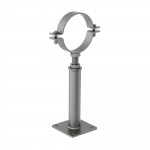
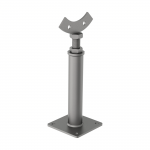
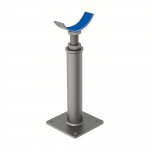
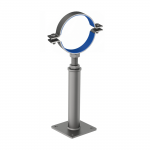
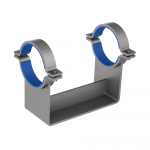
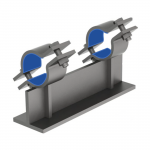
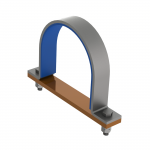
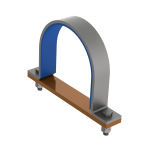
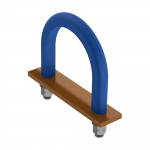
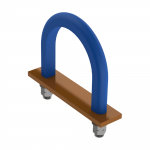
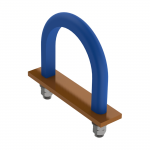
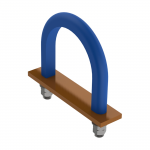
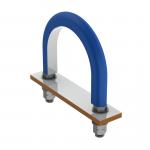
Neoprene, EPDM, or polymer pads placed between pipe and support break the electrical path and prevent direct metal-to-metal contact.
Protective Coatings
Ensuring both pipe and support coatings remain intact reduces exposure to moisture and electrolytes.
Drainage & Moisture Control
Designing supports to avoid water pooling reduces the presence of electrolytes that drive corrosion.
In wastewater and coastal environments, galvanic risk increases due to higher moisture and chloride exposure, making isolation strategies critical.
Technical Highlights
- Isolation materials: Neoprene, EPDM, PTFE
- Common risk pairing: Stainless steel + carbon steel
- High-risk environments: Coastal, wastewater, chemical exposure
- Recommended materials: 316 or duplex stainless steel in high-chloride environments
- Inspection: Regular visual checks at contact points
Industry Application – Water & Wastewater Facilities
In wastewater treatment plants, moisture and chemical exposure significantly increase corrosion risk. Using stainless steel supports or incorporating isolation pads can substantially extend service life.
In municipal infrastructure, galvanised supports may be sufficient in inland environments, provided isolation measures are implemented where required.

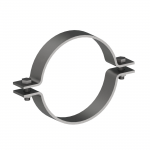
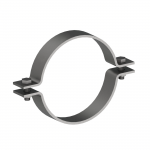
 AG630
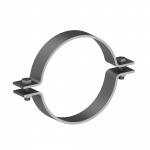
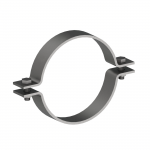
AG630