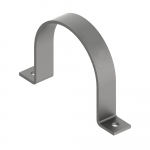
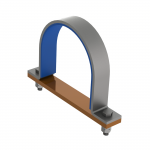
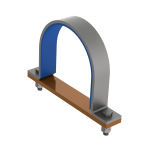
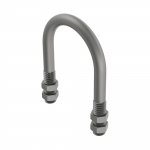
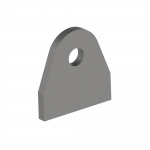
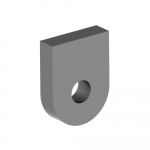
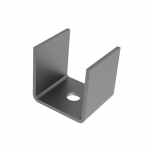
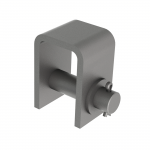
Detailed Engineering Explanation
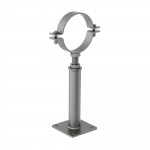
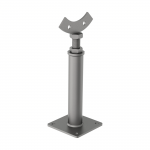
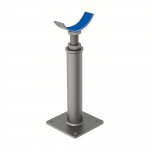
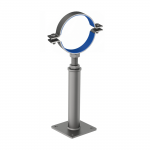
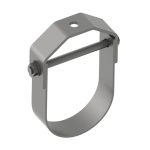
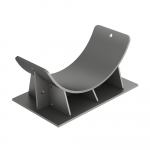
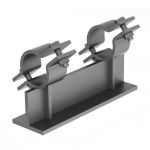
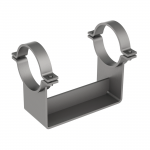
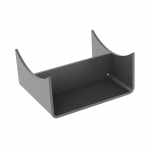
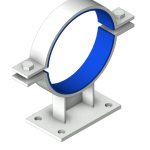
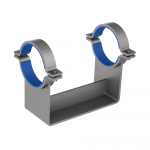
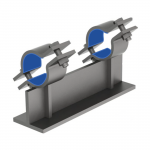
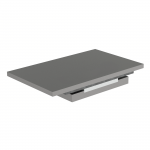
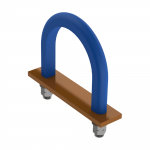
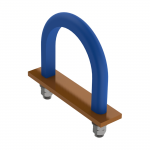
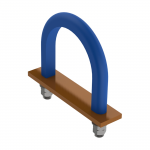
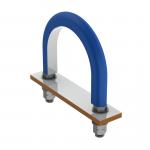
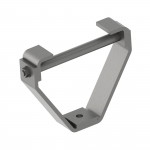
Pipe shoes are designed to provide a stable bearing surface between a pipe and the supporting steel structure. By elevating the pipe, they prevent direct contact that could damage coatings, insulation, or corrosion-protective finishes.
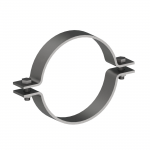
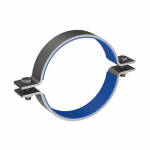
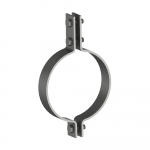
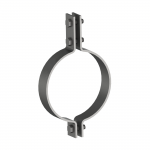
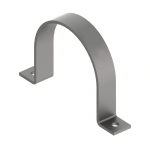
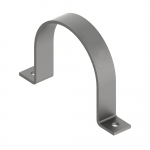
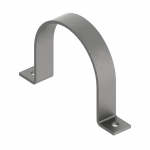
In water and wastewater facilities, corrosion resistance and ease of installation are primary considerations. Pipe shoes may be configured as welded or clamp-on designs depending on site requirements.
They are also used to:
- Allow axial movement during thermal expansion
- Maintain consistent pipe elevation
- Distribute load evenly across structural supports
Proper material selection, such as hot-dip galvanised carbon steel or stainless steel, ensures long-term durability in humid or chemically exposed environments.
Technical Highlights
- Sizes: DN25 to DN1200+
- Materials: Carbon steel (HDG), 316 stainless steel
- Temperature range: –40 °C to +500 °C (application dependent)
- Optional slide plates: PTFE for low-friction movement
- Mounting types: Welded base, clamp-on, slide-bearing
- Compliance: ISO 9001, MSS SP-58
Industry Application – Water & Infrastructure
In water treatment plants, pipe shoes protect coated pipelines from abrasion while allowing inspection access beneath the pipe. In wastewater facilities, corrosion resistance is a critical selection factor due to moisture and chemical exposure.
Municipal infrastructure projects often favour clamp-on or prefabricated pipe shoes to reduce on-site welding and installation time.

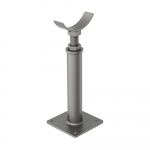
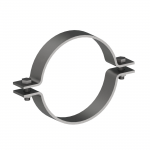
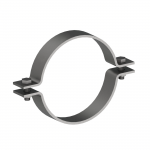
 AG630
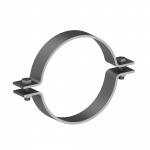
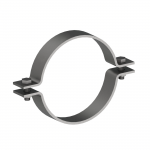
AG630