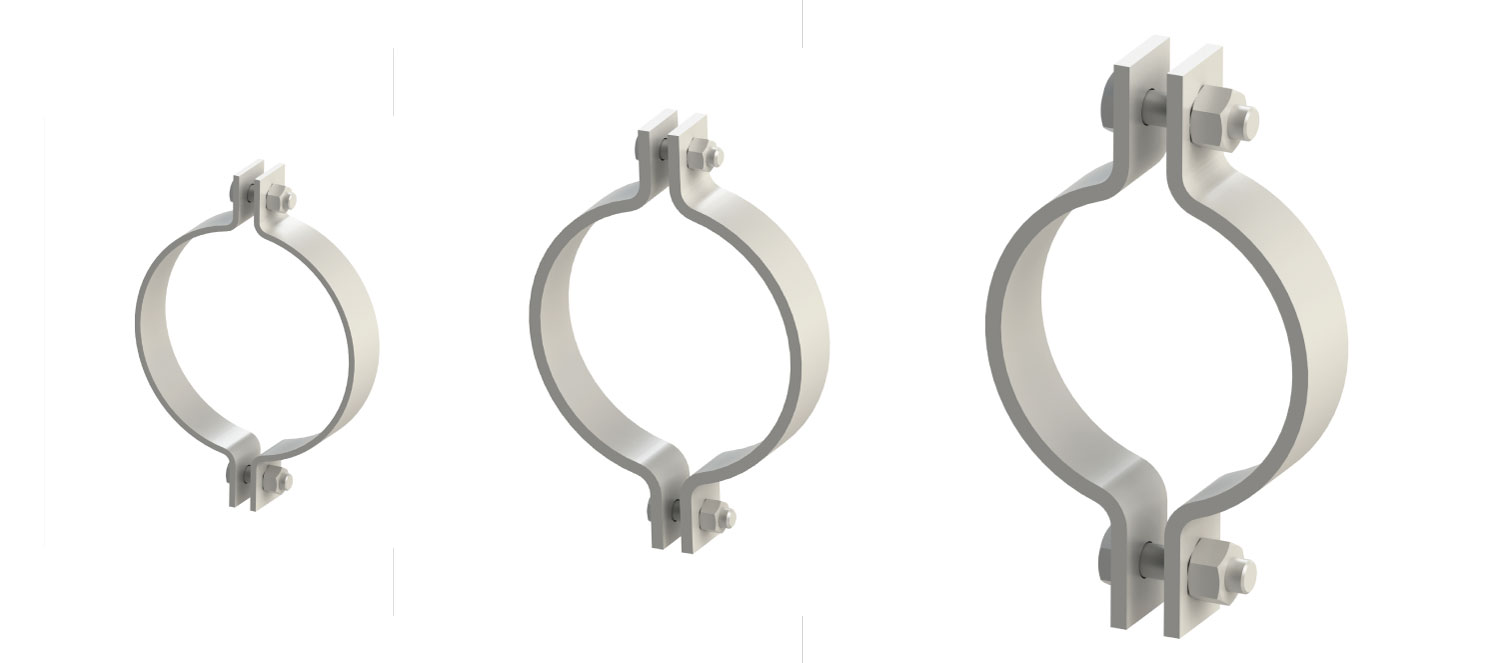
Light, Medium, Heavy Duty: Why the Label Doesn’t Tell You What a Support Will Carry
If you’ve compared “heavy duty” pipe supports from two suppliers and found one noticeably lighter, thinner or cheaper than the other, you haven’t misread the spec sheet. There isn’t one to misread.
Light, medium and heavy duty are not defined terms in any pipe support standard. MSS SP-58 sets out how pipe hangers and supports should be designed, manufactured, selected and installed, but it doesn’t assign a load figure to those three words. Each manufacturer decides internally where their own range splits into light, medium and heavy. No regulator is checking that a “heavy duty” clamp from one brand matches a “heavy duty” clamp from another.
That isn’t necessarily a case of anyone cutting corners. A lot of it comes down to which industries a manufacturer mostly serves. A business built around plumbing and HVAC work is usually dealing with small-bore copper, so its “heavy duty” sits at a load that would barely register on a water or wastewater treatment site, where large-bore pipe full of water is a very different proposition. It’s similar to clothing sizing. A size 12 isn’t the same measurement in every country, because there’s no single body setting the scale.
On water, wastewater and civil infrastructure projects the gap has a habit of showing up late. A tier name gets carried through from an early drawing or a previous job, nobody re-checks it against the actual load, and the mismatch only surfaces on site.
The label alone tells you close to nothing about whether a support will do the job. What matters is the same set of inputs regardless of what tier something is marketed as:
Base of Pipe (BOP)
Nominal pipe size (DN)
Pipe material, and insulation if any
Operating temperature and load, static or dynamic
Environment, whether indoor, outdoor, coastal or corrosive
If you’re working between imperial and metric sizes, our pipe size converter will save you a step.
Get those right and the duty-tier name stops mattering.
So when you’re comparing quotes or specifying supports, it’s worth asking suppliers to answer with numbers rather than adjectives:
What is the maximum working load for this specific product, in kg or kN, and is that from physical testing or calculation?
Does the rated load change at higher operating temperatures, and if so, by how much?
What material and gauge is used, and can you provide material certification or traceability?
What safety factor sits between the stated working load and the point of failure?
Is test data available on request, or is the duty rating a judgement call?
None of these questions require calling anyone out. They move the conversation away from a marketing term that was never standardised, and onto the specifications that determine whether a support is fit for purpose.
Our standard range is published with the details you need to check it against your own numbers. Get a quick quote and download design files free on our website, or send us the BOP, pipe size, load, temperature and environment and we’ll give you guidance on what suits, based on the information supplied.

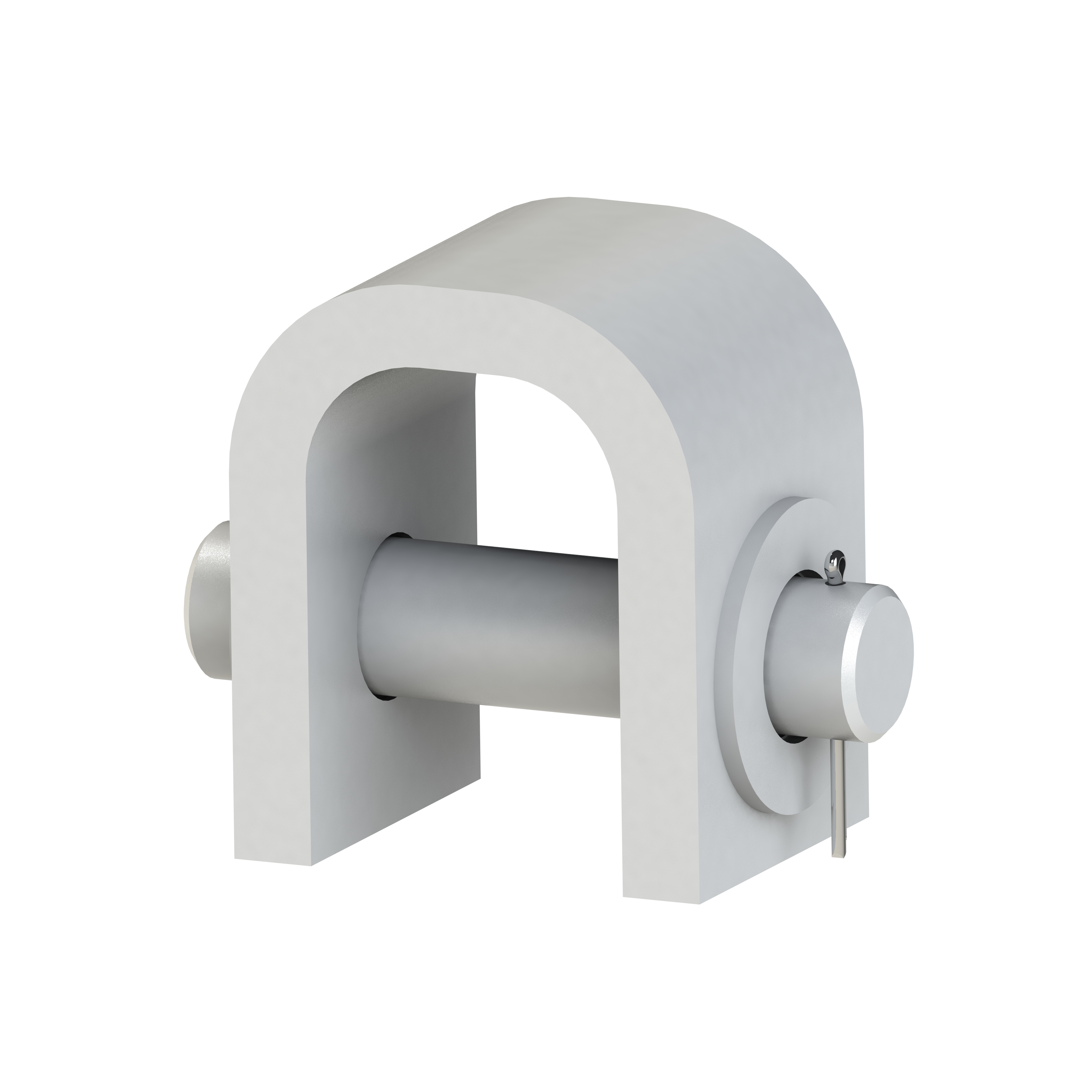
 AG630
AG630